
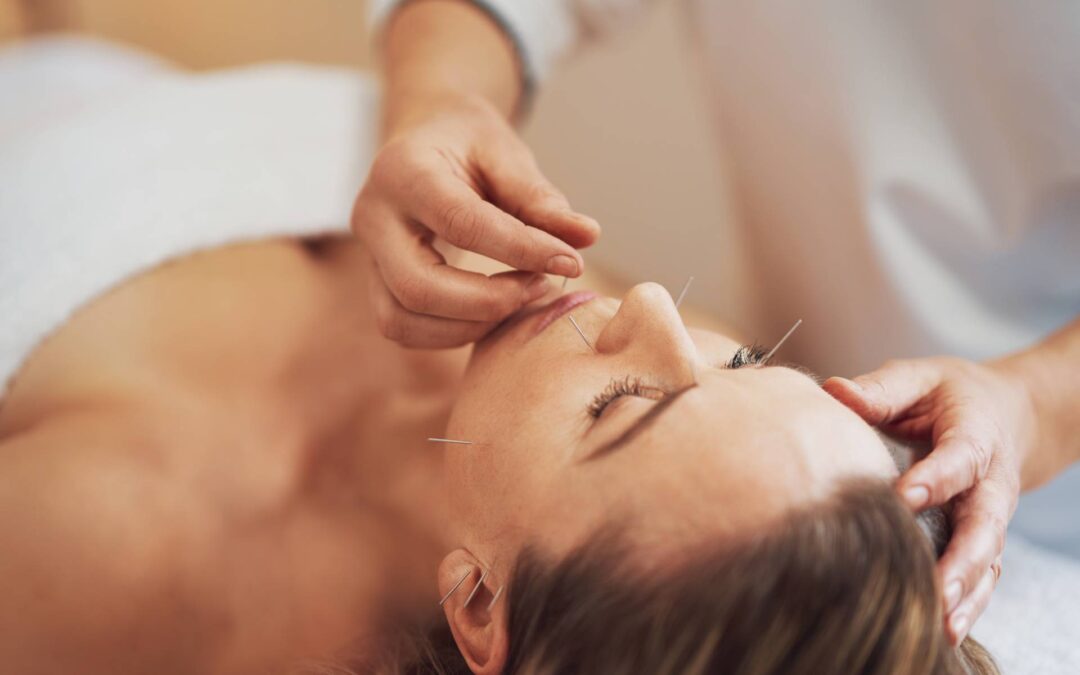
Have you ever heard of Bell’s Palsy? This neurological condition causes sudden muscle weakness on one side of the face, which can be alarming for those affected. If you’ve been diagnosed with Bell’s palsy, you’re probably feeling frustrated and concerned about your facial paralysis. This sudden weakness or lack of movement on one side of the face can be distressing, but hope exists.
What the Study Reveals About Acupuncture and Bell’s Palsy
A recent study sheds light on the potential effectiveness of ancient Chinese acupuncture in treating Bell’s Palsy. The analysis of several trials involving more than 1,500 participants suggests a significant improvement in patients treated with acupuncture compared to other methods.
According to a recent research study, acupuncture can significantly improve outcomes for patients with Bell’s palsy. The study examined over 200 patients who received either acupuncture or a placebo (fake) acupuncture treatment. The results showed that those who received real acupuncture improved facial muscle function much better than the placebo group.
Understanding Bell’s Palsy : Symptoms and Impact
Each year, 11 to 40 out of 100,000 people are affected by Bell’s Palsy. Although the majority recover spontaneously, some patients may experience lasting sequelae. Conventional treatments include protecting the affected eye, administering steroids and antivirals, and sometimes undergoing physical therapy or surgery.
Bell’s palsy is a condition that causes temporary paralysis or weakness of the muscles on one side of the face. It occurs when the facial nerve, the seventh cranial nerve, becomes inflamed or compressed. This leads to the inability to control the facial muscles on that side. Symptoms can range from mild muscle weakness to complete paralysis.
Acupuncture as an Alternative Treatment
Acupuncture is known for its safety, with no notable side effects, including for Bell’s palsy cases. It is an effective, natural treatment for helping patients with Bell’s palsy recover.
However, it is essential to note that despite the promising results, the quality of evidence needs to be improved due to potential biases and variability in study methodologies.

Here’s how acupuncture works to help with Bell’s palsy:
- Reduces Inflammation – Acupuncture needles stimulate the release of the body’s natural anti-inflammatory compounds, helping to decrease swelling and inflammation around the damaged facial nerve.
- Increases Blood Flow – Acupuncture improves circulation and blood flow to the affected facial muscles, delivering more oxygen and nutrients to promote healing.
- Relieves Pain – Many patients with Bell’s palsy experience facial pain or discomfort. Acupuncture has been shown to provide adequate pain relief.
- Restores Nerve Function – By stimulating specific acupuncture points, practitioners can help restore normal function and signalling of the damaged facial nerve.
If you’ve been diagnosed with Bell’s palsy, consider trying acupuncture as a safe, natural way to aid your recovery. Seeing an experienced, licensed acupuncturist can give you the best chance of regaining complete control and movement of your facial muscles. Don’t suffer through Bell’s palsy alone – acupuncture may be just the treatment you need.
Pingping Li, Tangmeng Qiu and Chao Qin*
Author
-
We are physiotherapists passionate about movement and rehabilitation, with a clear goal: helping people better understand their pain and return to an active, unrestricted life.
Through our practice and content, we share practical, science-based approaches to prevent injuries, relieve pain, and sustainably improve mobility. We believe that well-informed patients make better decisions and achieve better outcomes.

Richard Bouzaglou, B.Sc. PT
Physiotherapist | Co-Founder
An experienced professional, Richard is the co-founder of the AMS Medical and Rehabilitation Center, where he has played a key role since 2008. With a background in sports medicine and physiotherapy, he has developed strong clinical expertise, particularly working with elite athletes.
His practice is based on a comprehensive approach that integrates advanced manual therapy, functional rehabilitation, and personalized care. Committed to continuous education and mentoring students, he is known for his clinical rigor and his ability to build lasting, trust-based relationships with his patients.
Moshe Vazana
Physiotherapist
With over 15 years of experience, Moshe is recognized for his precise, evidence-based approach. A physiotherapy graduate with advanced training in several methodologies, including the McKenzie Method (MDT) and the Mulligan Concept, he specializes in treating musculoskeletal and spinal conditions.
His international background and commitment to excellence enable him to provide care that is tailored, effective, and sustainable. Passionate about knowledge sharing, he is also actively involved in training the next generation of physiotherapy professionals.
Recent Comments