


Hand and wrist pain originate from two primary sources: overuse and injury. Carpal Tunnel Syndrome is the best known condition that causes hand and wrist pain from overuse and repetitive motion. It’s been estimated that as many as one in 10 Canadians aged 20 or older– suffer from this condition. Other Injuries to the hand and wrist are also common throughout the population, regardless of age or activity level. Without early intervention, many hand and and wrist problems that could be more completely resolved leave the patient with a regrettable, permanent, loss of function. Four common treatment options for hand and wrist conditions include:
Many wrist injuries go untreated because they might seem like a simple sprain or strain when in fact they could be a sign of something more serious. Timely observation, examination and treatment can prevent the long-term debilitating impact of hand and wrist pain. To reduce the chance of a permanent disability, seek intervention as soon as possible when experiencing functional pain; consult with a doctor or licensed physiotherapist or occupational therapist. Not sure about your hand or wrist pain? Request your free screening today.
Source: http://www.cbc.ca/news/technology/repetitive-strain-injuries-rising-statscan-1.367673
|

Author
-
We are physiotherapists passionate about movement and rehabilitation, with a clear goal: helping people better understand their pain and return to an active, unrestricted life.
Through our practice and content, we share practical, science-based approaches to prevent injuries, relieve pain, and sustainably improve mobility. We believe that well-informed patients make better decisions and achieve better outcomes.

Richard Bouzaglou, B.Sc. PT
Physiotherapist | Co-Founder
An experienced professional, Richard is the co-founder of the AMS Medical and Rehabilitation Center, where he has played a key role since 2008. With a background in sports medicine and physiotherapy, he has developed strong clinical expertise, particularly working with elite athletes.
His practice is based on a comprehensive approach that integrates advanced manual therapy, functional rehabilitation, and personalized care. Committed to continuous education and mentoring students, he is known for his clinical rigor and his ability to build lasting, trust-based relationships with his patients.
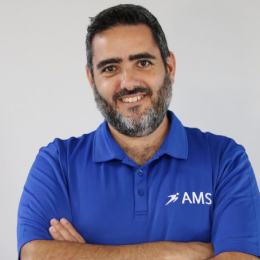
Moshe Vazana
Physiotherapist
With over 15 years of experience, Moshe is recognized for his precise, evidence-based approach. A physiotherapy graduate with advanced training in several methodologies, including the McKenzie Method (MDT) and the Mulligan Concept, he specializes in treating musculoskeletal and spinal conditions.
His international background and commitment to excellence enable him to provide care that is tailored, effective, and sustainable. Passionate about knowledge sharing, he is also actively involved in training the next generation of physiotherapy professionals.
Recent Comments