

Key takeaways: A meniscal tear is among the most common knee injuries. It can be degenerative (related to wear and aging) or acute (resulting from trauma or a sports injury). The gold-standard treatment is physiotherapy. Magnetic Resonance Imaging (MRI) or surgery is rarely necessary. To treat this knee condition, a multidisciplinary approach helps ensure full recovery of your physical and functional abilities.
A meniscus tear is one of the most common knee injuries. However, there is widespread uncertainty surrounding this condition: Is the tear clinically significant? Should physiotherapy be considered? Is it dangerous? This injury, which affects both athletes and people with osteoarthritis, can significantly impair mobility and quality of life. Rehabilitation centers specialize in evaluating and treating musculoskeletal disorders resulting from injuries or accidents, such as meniscus tears. The goal, regardless of how the consultation is conducted, is to provide you with all necessary support so that your rehabilitation occurs under the best possible conditions.
1- Decoding a Meniscus Tear: Telltale Signs
2- Causes of Meniscal Tears: Trauma and Wear
3- Take Action Now: First Aid and Recovery Advice
4- Toward a Long-Term Solution: The Multidisciplinary Approach
Decoding a Meniscus Tear: Telltale Signs
A meniscus tear is a common musculoskeletal injury that can lead to a range of musculoskeletal disorders (MSDs). Symptoms often depend on the type of tear, but recognizing them early is crucial in order to act promptly.
Physical signs: the warning bells
Meniscal tears can be identified through various symptoms. Key physical signs to watch for include:
- Pain: Pain inside the knee or diffuse pain, often worsened by weight-bearing, walking, bending the knee, or squatting.
- Joint swelling: Swelling of the knee may be present.
- Limited range of motion.
- Locked knee: The knee cannot move and becomes stuck in a fixed position.
- Joint noises: A variety of sounds such as loud and painful “clicks,” “pops,” or “knocks.”
Up to 76% of people with degenerative meniscal tears experience no pain.
Causes of Meniscal Tears: Trauma and Wear
Understanding pain requires tracing it back to its source by identifying the affected structure and the mechanism of injury.
Anatomy in brief:
The meniscus is a cartilaginous structure located inside the knee. Each knee contains two menisci: the lateral meniscus on the outer side and the medial meniscus on the inner side. About 90% of meniscal injuries involve the medial (inner) meniscus.
Menisci are essential for knee health. There are two crescent-shaped fibrocartilages responsible for distributing load from the femur to the tibia, providing part of the knee’s stability, and contributing to knee proprioception (spatial awareness). Tears can occur during pivoting movements or under compression from high loads.
Types of tears and injury mechanisms:
There are two main categories of meniscal tears:
1- Degenerative tears: These are wear-and-tear conditions, often age-related, and are quite common in the generally healthy population. They are promoted by factors such as microtrauma, osteoarthritis, excess body weight, or suboptimal biomechanics. This type of tear rarely requires surgical intervention. Degenerative tears typically have no identifiable mechanism of injury.
2- Acute tears: More common in younger individuals, these tears typically result from sports-related injuries. These are the “classic” tears that your favorite hockey player might experience. Surgery is more frequent in this group, although far less common than it was just a few years ago. These tears often have a clear mechanism of injury. The classic mechanism involves rotation of the leg while the foot is planted on the ground — a twisting mechanism.
Take Action Now: First Aid and Recovery Advice
When a meniscal tear is suspected, it is crucial to act promptly by applying first-aid measures and assessing whether imaging is necessary.
Imaging: Don’t rush into it
In addition to the injury mechanism, there will be additional signs and symptoms. A meniscal tear is diagnosed based on the history of symptoms and clinical examination.
The most appropriate imaging modality for this condition is MRI. However, an MRI is not necessary for all meniscal tears. Only a minority of meniscus tears will require MRI and surgical intervention.
- MRI is expensive and may involve long waiting times (6 to 18 months in the public sector).
- In most cases, MRI does not change the treatment plan; physiotherapy remains the first-line treatment.
An MRI is essential when the knee is locked, with or without audible, painful clicking.
Immediate steps for your knee:
If you experience symptoms, it is recommended to:
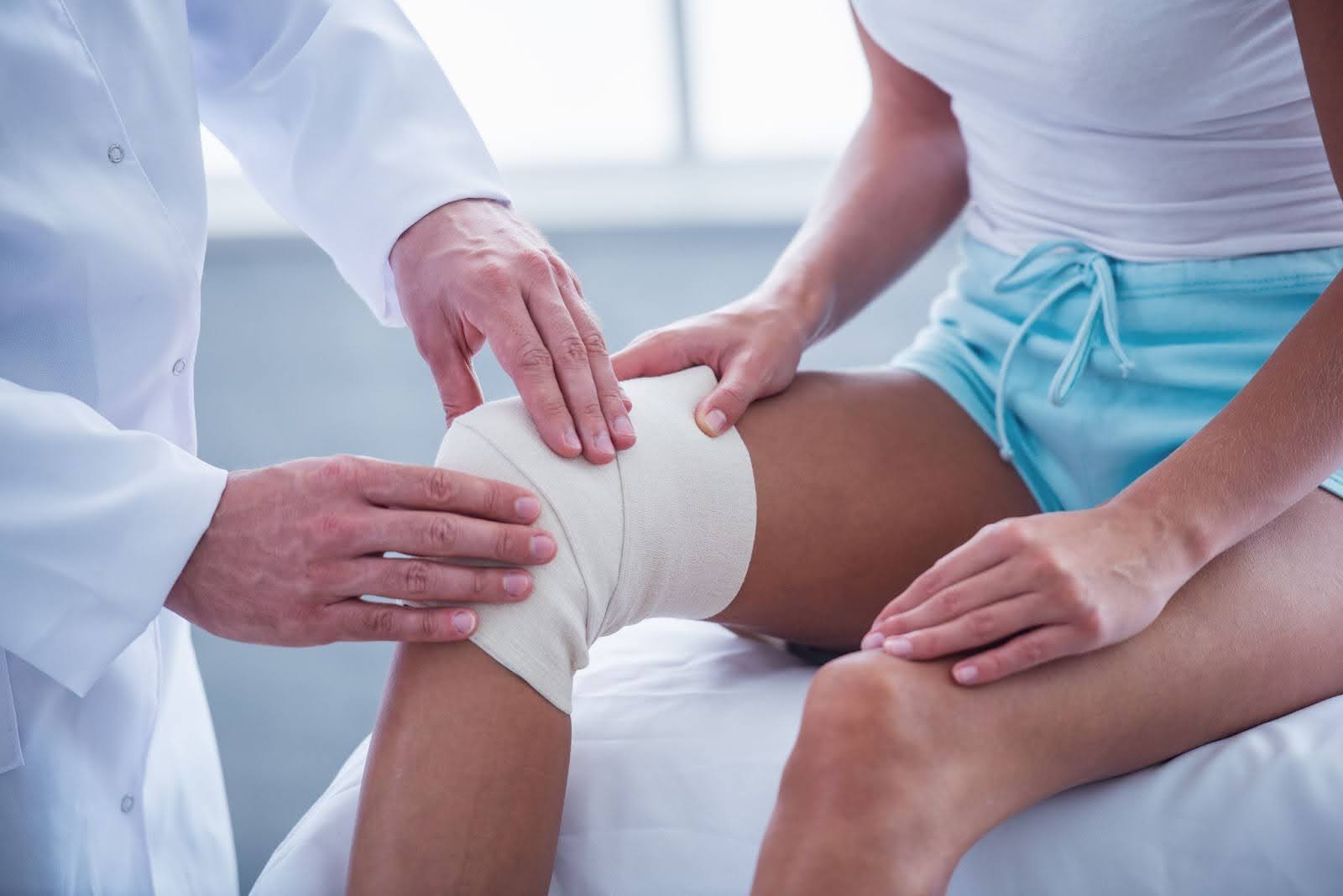
- Control joint swelling by wearing an elastic bandage.
- Reduce pain by applying ice wrapped in a damp towel for 15 minutes.
- Avoid limping. Use a cane or crutches if necessary.
- Improve knee stability by using braces or elastic bandages (do not use permanently unless advised otherwise).
- Gradually restore knee mobility in flexion and extension, as well as muscle strength and endurance.
- Engage in light-to-moderate, pain-free cardiovascular activity (such as stationary cycling or swimming) to accelerate recovery.
If no improvement is observed after 10 days, or if symptoms persist for more than two to three days without improvement, consult your doctor or physiotherapist. You do not need to see a doctor before consulting a physiotherapist.
Toward a Long-Term Solution: The Multidisciplinary Approach
When pain becomes persistent, external support and a comprehensive strategy are necessary to restore your physical abilities.
The role of physiotherapy
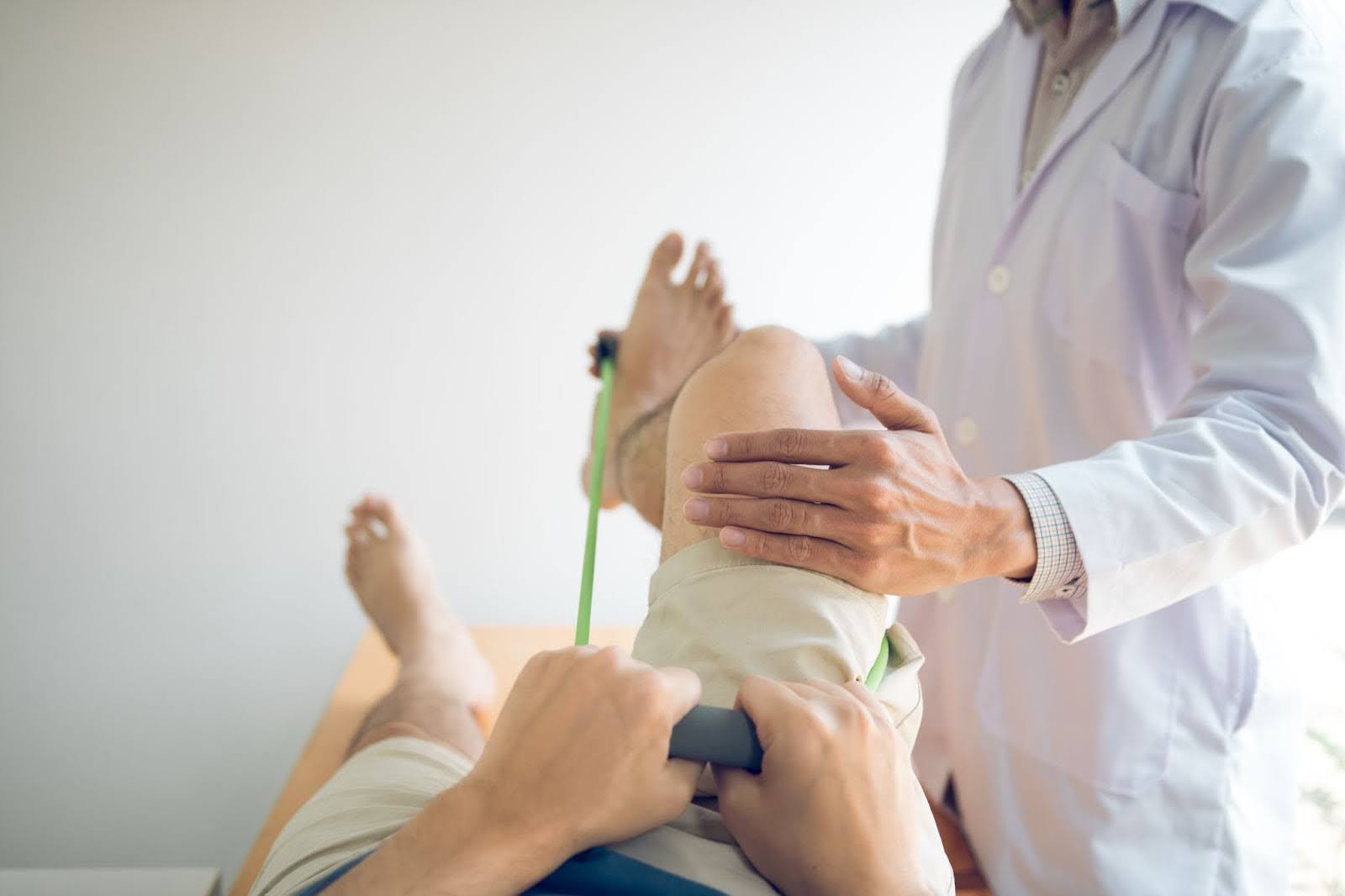
The gold standard for knee injuries and meniscal tears is physiotherapy. Most meniscal tears can be successfully treated with physiotherapy alone.
The physiotherapist will carry out a detailed assessment to identify your limitations and tailor a treatment plan based on the condition and severity of your injury.
- Personalized approach: A rehabilitation program for a 25-year-old soccer player will differ substantially from that for a 60-year-old office worker.
- Goals: The physiotherapist will mobilize your knee to reduce pain and improve range of motion, prescribe targeted exercises to retrain movement control, and teach you to perform daily activities effectively.
- Prevention: Physiotherapy does more than relieve pain; it aims to correct imbalances to prevent recurrence.
Surgery: an option to consider with caution
Surgery may be considered if conservative treatments fail, particularly when the injury is traumatic in origin. However, in most cases, the answer is no. For degenerative tears, physiotherapy is just as effective as surgery. In addition, meniscus surgery increases the risk of developing knee osteoarthritis later in life.
Conclusion
A meniscal tear can be alarming, but it does not necessarily indicate permanent loss of mobility. With physiotherapy, most patients regain optimal knee function without the need for surgery. Through personalized care and a multidisciplinary approach, it is entirely possible to reduce pain, improve joint stability, and return to your activities with confidence.
Book an appointment with a physiotherapist today to receive an accurate assessment and a treatment plan tailored to your situation.
Author
-
We are physiotherapists passionate about movement and rehabilitation, with a clear goal: helping people better understand their pain and return to an active, unrestricted life.
Through our practice and content, we share practical, science-based approaches to prevent injuries, relieve pain, and sustainably improve mobility. We believe that well-informed patients make better decisions and achieve better outcomes.

Richard Bouzaglou, B.Sc. PT
Physiotherapist | Co-Founder
An experienced professional, Richard is the co-founder of the AMS Medical and Rehabilitation Center, where he has played a key role since 2008. With a background in sports medicine and physiotherapy, he has developed strong clinical expertise, particularly working with elite athletes.
His practice is based on a comprehensive approach that integrates advanced manual therapy, functional rehabilitation, and personalized care. Committed to continuous education and mentoring students, he is known for his clinical rigor and his ability to build lasting, trust-based relationships with his patients.

Moshe Vazana
Physiotherapist
With over 15 years of experience, Moshe is recognized for his precise, evidence-based approach. A physiotherapy graduate with advanced training in several methodologies, including the McKenzie Method (MDT) and the Mulligan Concept, he specializes in treating musculoskeletal and spinal conditions.
His international background and commitment to excellence enable him to provide care that is tailored, effective, and sustainable. Passionate about knowledge sharing, he is also actively involved in training the next generation of physiotherapy professionals.
Hi,
My wife has a grade 3 meniscus tear. We are in ontario. I’m inquiring about the cost to repair her knee.
We offer the rehabilitation post-surgery. There are centers we work with that offer the surgery, you can look them here:
https://cliniquesmedicaleslacroix.com