
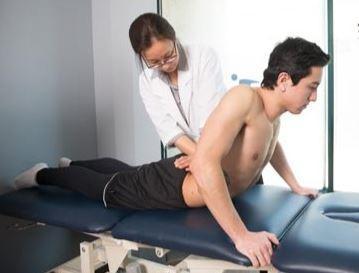
Treatment-Resistant Sciatica: Why Does It Happen and What Can You Do?
Why Do Some Cases of Sciatica Not Respond to Conventional Treatments?You have taken anti-inflammatory medication and rested your back, yet the pain is still there. This situation is more common than many people realize.When sciatica does not respond to conventional...
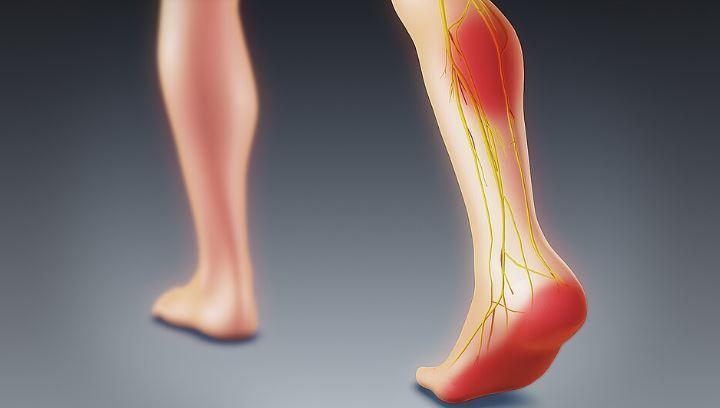
Persistent Sciatica: Which Treatment Approach Is Most Effective?
Which Treatment Approach Is Most Effective for Persistent Sciatica?Persistent sciatica does not have to be permanent. When pain has been radiating down the leg for several weeks, physiotherapy offers targeted approaches that address the actual cause of the problem...
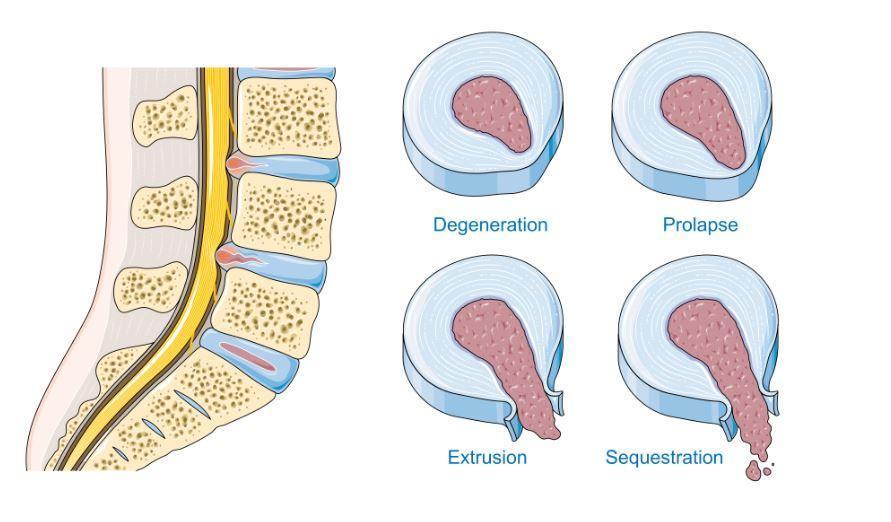
Herniated Disc: Can Physiotherapy Help Avoid Surgery?
Can Physiotherapy Help Avoid Surgery for a Herniated Disc? In the vast majority of herniated disc cases, surgery is not inevitable. Physiotherapy is a first-line treatment that can reduce pain, restore mobility, and help patients return to their normal activities...

Heat and Mobility: Why Choose Home Physiotherapy During a Heat Wave?
During periods of high temperatures, the body tolerates exertion less well. Fatigue builds up more quickly. Clinic visits can be more demanding and reduce the regularity of care. Home physiotherapy helps maintain treatment continuity in a more comfortable environment,...

Post-Concussion Recovery: Physiotherapy, the Key to a Safe Return to Sport and Work
Physiotherapy is essential after a concussion because it addresses what rest alone cannot correct: persistent imbalances in the nervous system. Physiotherapy helps by: rehabilitating the vestibular system (balance and orientation), recalibrating eye–head–body...