
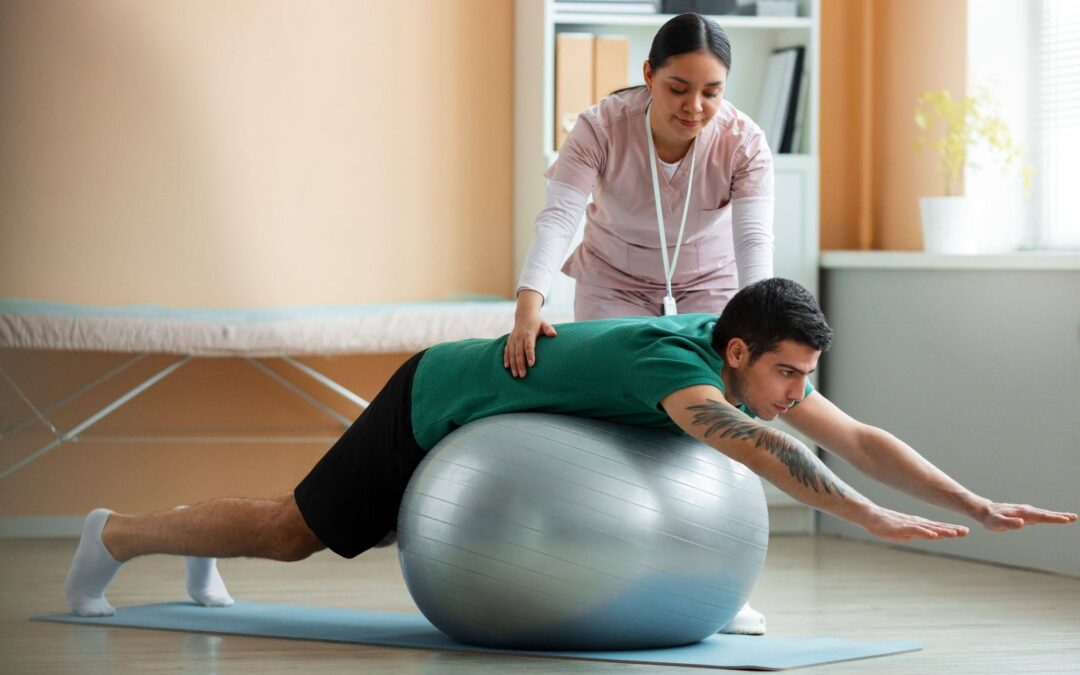
Physiotherapy is essential after a concussion because it addresses what rest alone cannot correct: persistent imbalances in the nervous system. Physiotherapy helps by:
- rehabilitating the vestibular system (balance and orientation),
- recalibrating eye–head–body coordination,
- gradually increasing tolerance to exertion,
- reducing persistent symptoms (dizziness, instability, fatigue),
- structuring a safe return to work or sport.
Vestibular rehabilitation: restoring balance and orientation after a concussion
After a concussion, some people continue to experience dizziness, a feeling of instability, or a sense of being disoriented when moving around. These symptoms are often related to a disruption of the vestibular system—a set of structures involved in maintaining balance and spatial orientation. The brain constantly relies on information from the eyes, inner ear, and body to know where it is in its environment. A concussion disrupts the processing of all this information, leading to feelings of dizziness or instability.
Vestibular physiotherapy retrains these mechanisms. Through progressive exercises, the brain is exposed to movements that mildly provoke symptoms, helping it learn to interpret them correctly again. This approach gradually improves tolerance to movement, positional changes, and rapid head movements.
Vestibular rehabilitation also works on gaze stabilization during movement. For many people, turning their head while walking or trying to follow an object with their eyes can trigger symptoms. Vestibular exercises then help improve coordination between the eyes and the balance system, making movement more comfortable and safe.
Physiotherapy: recalibrating eye–head–body coordination

Symptoms that persist after a concussion are not always related to balance. Some people instead have difficulty reading, using a screen, or functioning in visually busy environments. After a concussion, the brain may have more trouble processing visual information and bodily movements simultaneously. Normally, simple tasks—like following text on a screen, watching moving objects, or moving through a busy environment—can become more tiring or trigger symptoms. Physiotherapy addresses these difficulties with visual and oculomotor coordination exercises. The goal is to improve the eyes’ ability to track a target, shift focus quickly, or work effectively with head movements. As this coordination improves, symptoms may decrease in stimulating environments. Daily activities require less effort and are easier to tolerate, whether at work or during leisure.
Gradual return to exertion: reducing fatigue and persistent symptoms
Fatigue is very common after a concussion. It can be physical, mental, or a combination of both. Some people also notice that their symptoms return as soon as they try to resume their usual activities. For many years, complete rest was often recommended after a concussion. Today, research shows that a gradual, supervised return to activity promotes better recovery. Physiotherapy helps rebuild tolerance to exertion step by step. Activity levels are adjusted based on symptoms to challenge the system without causing significant or prolonged worsening. This progression may include:
- cardiovascular exercises,
- functional activities,
- a gradual return to cognitive tasks.
The goal is to safely increase the person’s capacity while monitoring the body’s and brain’s responses to effort.
Why do some symptoms persist after a concussion?
While some people recover in a few weeks, others continue to have symptoms for a longer period. This does not necessarily mean the injury is more severe, but rather that certain systems involved in daily functioning have not yet regained their optimal efficiency. When the mechanisms responsible for balance, vision, or effort management remain disrupted, certain symptoms persist:
- dizziness,
- headaches,
- difficulty concentrating,
- sensitivity to screens,
- a feeling of mental fog.
In some cases, symptoms are driven by reduced tolerance to movement or physical activity. In others, they are related to the vestibular or visual system. Some people feel that their recovery is affected by symptoms that fluctuate from day to day. However, this variation is common after a concussion. Fatigue, stress, stimulating environments, or a sudden increase in activity can temporarily worsen symptoms without necessarily indicating that the condition is worsening. That is why recovery is not always linear. A person may notice overall improvement while still experiencing occasional episodes of dizziness, fatigue, or difficulty concentrating. The goal of rehabilitation is precisely to gradually reduce these fluctuations and improve the brain’s ability to handle daily demands.
Return to work and sport: why progression needs to be guided
Returning to normal activities too quickly can cause symptoms to reappear and slow recovery. Conversely, a well-paced progression allows for a gradual return to a higher activity level while respecting the recovery timeline. The cognitive demands of a workday, as well as the physical demands of sports training, place significant stress on the brain. If the brain is not yet ready to handle this load, symptoms may return or worsen. A gradual return allows for a slow increase in the demands placed on the brain while respecting its current capacity. Temporary adjustments may be necessary, such as:
- reduced screen time,
- a lighter schedule,
- temporary modifications to training.
Physiotherapy plays an important role in this progression. It helps monitor changes in symptoms, adjust activities, and guide a safe return to usual tasks.
When to see a physiotherapist after a concussion?
A physiotherapy consultation is appropriate when symptoms persist for several days or weeks, or when they limit a return to normal activities. It is especially recommended to consult if you experience:
- prolonged dizziness,
- a persistent feeling of instability,
- difficulty returning to work or sports,
- significant fatigue triggered by exertion.
An assessment may also be helpful when recovery seems to stall or when certain symptoms consistently return whenever you try to resume activities. The goal is not just to eliminate symptoms, but to regain lasting ability to function in daily activities, at work, and in sports.
FAQ
Is it normal to still have dizziness several weeks after a concussion?
Yes, some people continue to feel dizzy or unsteady several weeks after a concussion. These symptoms may persist when:
- the vestibular system is recovering more slowly,
- rapid movements or changes in position still trigger symptoms,
- the brain is less tolerant of position changes or stimulating environments.
Vestibular rehabilitation helps gradually reduce these symptoms by training balance and movement tolerance.
Why do screens make symptoms worse?
Screens demand constant coordination between the eyes, head, and brain. After a concussion, this coordination can become more difficult, which may cause:
- visual fatigue,
- headaches,
- difficulty concentrating,
- a feeling of mental fog,
- worsening dizziness or nausea.
Sensitivity to screens usually decreases gradually with recovery and rehabilitation.
Can I return to sports even if I still have some symptoms?
In many cases, yes, but the return must be gradual and supervised. Physiotherapy helps determine:
- what level of exertion is tolerated,
- when to increase intensity,
- what symptoms to watch for during the return.
Returning to sport too quickly can prolong symptoms or slow recovery.
Is complete rest still recommended?
No. Complete rest is mainly recommended in the first few days after a concussion. After that, a gradual return to activity is generally better for:
- re-acclimating the brain to exertion,
- improving tolerance to movement,
- reducing certain persistent symptoms,
- promoting a gradual return to normal activities.
Recovery often relies more on controlled progression than on prolonged cessation of activity.
How long does recovery take?
Recovery varies from person to person. Several factors can influence the duration:
- the intensity of symptoms,
- the type of activities resumed,
- the quality of initial rest,
- the presence of dizziness or persistent symptoms,
- how soon rehabilitation begins.
Some people recover in a few weeks, while others need a longer period of care to regain normal tolerance for work, sport, and daily activities.
Author
-
We are physiotherapists passionate about movement and rehabilitation, with a clear goal: helping people better understand their pain and return to an active, unrestricted life.
Through our practice and content, we share practical, science-based approaches to prevent injuries, relieve pain, and sustainably improve mobility. We believe that well-informed patients make better decisions and achieve better outcomes.

Richard Bouzaglou, B.Sc. PT
Physiotherapist | Co-Founder
An experienced professional, Richard is the co-founder of the AMS Medical and Rehabilitation Center, where he has played a key role since 2008. With a background in sports medicine and physiotherapy, he has developed strong clinical expertise, particularly working with elite athletes.
His practice is based on a comprehensive approach that integrates advanced manual therapy, functional rehabilitation, and personalized care. Committed to continuous education and mentoring students, he is known for his clinical rigor and his ability to build lasting, trust-based relationships with his patients.
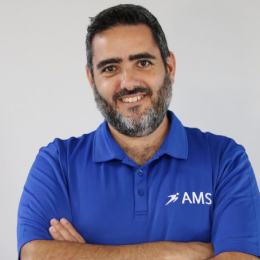
Moshe Vazana
Physiotherapist
With over 15 years of experience, Moshe is recognized for his precise, evidence-based approach. A physiotherapy graduate with advanced training in several methodologies, including the McKenzie Method (MDT) and the Mulligan Concept, he specializes in treating musculoskeletal and spinal conditions.
His international background and commitment to excellence enable him to provide care that is tailored, effective, and sustainable. Passionate about knowledge sharing, he is also actively involved in training the next generation of physiotherapy professionals.
Recent Comments