

The World Health Organization defines physical activity as, “any bodily movement produced by skeletal muscles that requires energy expenditure.” In other words, physical activity simply means movement of the body. Examples include walking, stair climbing, gardening or doing house chores.
Physical inactivity is one of the leading risk factors for noncommunicable diseases. As individuals become more sedentary, evidence shows an association with poor health outcomes. This includes weight gain and decreased fitness levels in children and adolescents and an increased incidence of cardiovascular disease, cancer and type-2 diabetes in adults.
Research has shown that regular physical activity can
- help in the prevention and management of conditions such as heart disease, stroke, diabetes and hypertension
improve muscular and cardiorespiratory fitness - Help in maintaining a healthy body weight
- reduce risk of falls
improve overall mental health and quality of life.
The World Health Organization provides guidelines and recommendations for different age groups and specific populations on how much physical activity is needed for overall benefits. For more information visit; World Health Organization. Global recommendations on physical activity for health. Geneva: World Health Organization; 2010.
For adults between the ages of 18 to 64 with no contraindications to exercise, recommendations include:
- at least 150–300 minutes of moderate-intensity aerobic physical activity or at least 75–150 minutes of vigorous-intensity aerobic physical activity; or an equivalent combination of moderate- and vigorous-intensity activity throughout the week
- At least 2 days a week of muscle-strengthening activities involving all major muscle groups, at a moderate or greater intensity
limiting the amount of time spent being sedentary and replacing this time with physical activity of any intensity
Physiotherapists along with other healthcare professionals play a crucial role in educating and guiding patients on the importance and benefits of physical activity.
References: The World Health Organization (2020). Physical Activity. Retrieved on November 22, 2020 from
https://www.who.int/news-room/fact-sheets/detail/physical-activity
Author
-
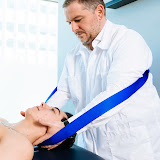
We are physiotherapists passionate about movement and rehabilitation, with a clear goal: helping people better understand their pain and return to an active, unrestricted life.
Through our practice and content, we share practical, science-based approaches to prevent injuries, relieve pain, and sustainably improve mobility. We believe that well-informed patients make better decisions and achieve better outcomes.
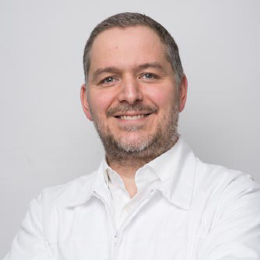
Richard Bouzaglou, B.Sc. PT
Physiotherapist | Co-Founder
An experienced professional, Richard is the co-founder of the AMS Medical and Rehabilitation Center, where he has played a key role since 2008. With a background in sports medicine and physiotherapy, he has developed strong clinical expertise, particularly working with elite athletes.
His practice is based on a comprehensive approach that integrates advanced manual therapy, functional rehabilitation, and personalized care. Committed to continuous education and mentoring students, he is known for his clinical rigor and his ability to build lasting, trust-based relationships with his patients.

Moshe Vazana
Physiotherapist
With over 15 years of experience, Moshe is recognized for his precise, evidence-based approach. A physiotherapy graduate with advanced training in several methodologies, including the McKenzie Method (MDT) and the Mulligan Concept, he specializes in treating musculoskeletal and spinal conditions.
His international background and commitment to excellence enable him to provide care that is tailored, effective, and sustainable. Passionate about knowledge sharing, he is also actively involved in training the next generation of physiotherapy professionals.
Recent Comments