

A jaw that locks or produces sounds such as cracking or clicking can be both uncomfortable and concerning. Eating, speaking, yawning, or even smiling can become difficult and painful. In some cases, the pain may radiate to the face or ears, or cause tension in the neck.
These symptoms are often linked to a muscular imbalance or dysfunction of the temporomandibular joint (TMJ). This joint connects the jaw to the skull and plays a key role in many daily functions. When it is disrupted, specialized care becomes necessary. Physiotherapy, as practiced by professionals at AMS Clinics in Montreal, helps assess jaw function, identify areas of tension, and implement a personalized treatment plan to effectively relieve symptoms and restore normal function.
Physiotherapy for TMJ Treatment: Procedure and Specific Care
At AMS Clinics, care begins with a thorough evaluation of the temporomandibular joint to identify the root cause and tailor treatment accordingly.
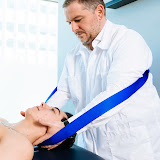
The physiotherapist assesses jaw mobility, the strength and tension of the masticatory muscles, cervical and craniofacial posture, and lifestyle habits that may influence symptoms.
The personalized TMJ treatment plan is carried out in several precise stages:
- Reduction of muscle tension: The masticatory muscles, such as the masseter, temporalis, and pterygoids, can become highly tense, especially with stress or bruxism. Muscle release techniques and stretching can help reduce pain and improve mouth opening.
- Gentle joint mobilization: Specific manual techniques, adapted to each patient and applied progressively, are used to restore joint mobility.
- Functional strengthening of stabilizing muscles: Exercises aim to improve coordination and strength of the jaw muscles. This strengthening, often combined with work on cervical posture, is essential for stabilizing the joint and preventing recurrence.
- Postural advice and lifestyle adjustments: The physiotherapist also provides recommendations to correct certain lifestyle habits, such as managing bruxism, reducing excessive chewing, and improving posture.
- Progress monitoring and continuous adjustments: Regular follow-ups help evaluate progress, adjust exercises based on symptom evolution, and, if needed, propose collaboration with other professionals (massage therapist, dentist, or sports physician).
Why Can the Jaw Lock or Produce Noises?
Jaw disorders are multifactorial. Several common causes can explain the onset of locking and clicking:
- muscle tension, often linked to stress or overuse of the masticatory muscles,
- postural imbalances, particularly in the neck and head, which directly influence jaw position,
- bruxism (teeth grinding or clenching), which can overload the joint,
- repetitive movements, such as excessive chewing or parafunctional habits,
- trauma, even minor, that can disrupt the balance of the joint.
These factors can lead to various functional consequences, sometimes progressive:
- localized pain in the jaw or face,
- fatigue of the masticatory muscles, especially at the end of the day,
- limited mouth opening or discomfort when opening,
- associated headaches or migraines,
- a sensation of locking or deviation of the jaw during movement.
Joint noises, such as clicking or cracking, are often related to improper positioning of the articular disc or an imbalance in the joint’s mechanics.
Although they are not always painful, they may indicate an underlying dysfunction requiring evaluation, especially if accompanied by pain or restricted movement.
Symptoms and Signs to Watch For

Symptoms may be subtle at first but should not be ignored:
- locking, deviation, or pain when opening or closing the mouth,
- snapping, clicking, or cracking sounds during jaw movement,
- localized pain or pain radiating to the ear, temples, or neck,
- associated neck tension or headaches.
If these symptoms persist, a physiotherapy evaluation can help identify the cause and prevent worsening.
Tips to Relieve Jaw Pain in Daily Life
Adopting simple daily habits can help reduce tension and protect the temporomandibular joint while minimizing the risk of locking or pain:
- avoid forced or exaggerated movements, especially opening the mouth too wide or straining the jaw during yawning or large meals,
- limit excessive chewing, such as gum or very hard foods, which heavily strain the masticatory muscles,
- promote muscle relaxation through gentle massage of the cheeks, temples, and surrounding jaw muscles, combined with relaxation breathing techniques,
- maintain good cervical and overall posture, especially when sitting or working in front of a screen, to reduce tension transmitted to the jaw.
Regular attention to these simple habits can also complement physiotherapy treatment and accelerate functional recovery.
Conclusion
TMJ disorders can have a significant impact on quality of life. Pain, movement limitations, and daily discomfort should not be ignored.
Specialized physiotherapy for TMJ helps relieve pain, restore mobility, and prevent recurrence through a personalized approach.
If you are experiencing jaw-related symptoms, do not hesitate to book an appointment with a physiotherapist at AMS Clinics in Montreal. You will benefit from tailored care to help you regain a better quality of life.
Author
-
We are physiotherapists passionate about movement and rehabilitation, with a clear goal: helping people better understand their pain and return to an active, unrestricted life.
Through our practice and content, we share practical, science-based approaches to prevent injuries, relieve pain, and sustainably improve mobility. We believe that well-informed patients make better decisions and achieve better outcomes.

Richard Bouzaglou, B.Sc. PT
Physiotherapist | Co-Founder
An experienced professional, Richard is the co-founder of the AMS Medical and Rehabilitation Center, where he has played a key role since 2008. With a background in sports medicine and physiotherapy, he has developed strong clinical expertise, particularly working with elite athletes.
His practice is based on a comprehensive approach that integrates advanced manual therapy, functional rehabilitation, and personalized care. Committed to continuous education and mentoring students, he is known for his clinical rigor and his ability to build lasting, trust-based relationships with his patients.

Moshe Vazana
Physiotherapist
With over 15 years of experience, Moshe is recognized for his precise, evidence-based approach. A physiotherapy graduate with advanced training in several methodologies, including the McKenzie Method (MDT) and the Mulligan Concept, he specializes in treating musculoskeletal and spinal conditions.
His international background and commitment to excellence enable him to provide care that is tailored, effective, and sustainable. Passionate about knowledge sharing, he is also actively involved in training the next generation of physiotherapy professionals.
Recent Comments