
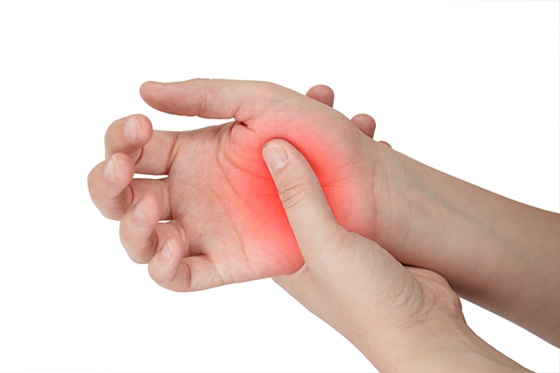
This question is probably the most common one following an evaluation in physiotherapy. Because so many variables affect healing times (i.e. severity, patient cooperation), it is practically impossible to give an exact answer. However, understanding the stages of healing can give a better understanding of what to expect.
The inflammatory phase
This phase usually occurs immediately after an injury (48-72 hours) and can last up to 10 days. The body prepares the injured tissues for repair by increasing blood flow in the area. Signs of inflammation are present such as; redness, heat, swelling and pain. As a result, decreased function occurs.
During this phase, physiotherapists educate the patient on the condition, identify precautions/contraindications and need for referrals, help control the pain and reduce the inflammation and provide patients with exercises to increase movement and prevent loss of muscle strength and formation of scar tissue.
The Proliferative phase
Once the inflammation begins to decrease, the second phase of healing starts. This phase is also referred to as a repair phase and can last between 3-6 weeks or more depending on the severity of the injury. The body starts to bring nutrients to the injured area in order to form new connective tissue.
Swelling and redness is no longer present but pain may persist with overstretching of the new tissue. Physiotherapists work with the patient to re-establish normal range of motion, flexibility, proprioception and recover strength through exercises and modalities.
The Remodelling phase
The final stage of tissue repair is the remodeling phase and consists of the body remodeling the new tissue. This phase can last between 6 weeks to 12 months depending on the extent of the injury.
During this phase, physiotherapy will aim to improve the strength, endurance and proprioception of the new tissue through activity/sport specific training and exercises.
Healing occurs when there is little or no more pain and when function is improved at the injured site. Physiotherapists work in collaboration with patients to ensure that progress is made with each follow up and reassess the plan of treatment if needed
References: Vansports & Physiotherapy (2020). Healing from acute injuries: how long will it take? Retrieved on November 16, 2020 from
Author
-
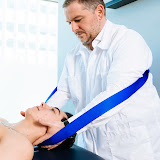
We are physiotherapists passionate about movement and rehabilitation, with a clear goal: helping people better understand their pain and return to an active, unrestricted life.
Through our practice and content, we share practical, science-based approaches to prevent injuries, relieve pain, and sustainably improve mobility. We believe that well-informed patients make better decisions and achieve better outcomes.
Richard Bouzaglou, B.Sc. PT
Physiotherapist | Co-Founder
An experienced professional, Richard is the co-founder of the AMS Medical and Rehabilitation Center, where he has played a key role since 2008. With a background in sports medicine and physiotherapy, he has developed strong clinical expertise, particularly working with elite athletes.
His practice is based on a comprehensive approach that integrates advanced manual therapy, functional rehabilitation, and personalized care. Committed to continuous education and mentoring students, he is known for his clinical rigor and his ability to build lasting, trust-based relationships with his patients.
Moshe Vazana
Physiotherapist
With over 15 years of experience, Moshe is recognized for his precise, evidence-based approach. A physiotherapy graduate with advanced training in several methodologies, including the McKenzie Method (MDT) and the Mulligan Concept, he specializes in treating musculoskeletal and spinal conditions.
His international background and commitment to excellence enable him to provide care that is tailored, effective, and sustainable. Passionate about knowledge sharing, he is also actively involved in training the next generation of physiotherapy professionals.
Recent Comments