
When pelvic floor rehabilitation comes up in conversation, the image that almost instantly comes to mind is postpartum care for women. Yet men have a pelvic floor too – and it is just as susceptible to dysfunction, often following prostate surgery, but by no means limited to it. Men’s pelvic health remains widely misunderstood, even among healthcare professionals. As a result, many men live with urinary leakage, chronic pain, or pelvic discomfort without ever realizing that effective treatment exists.
Men’s pelvic floor physical therapy effectively addresses:
- Urinary incontinence following prostate surgery
- Chronic pelvic pain and discomfort
- Sexual dysfunction linked to pelvic floor muscle tension or weakness
- Post-surgical recovery after major abdominal or pelvic procedures
- Pelvic floor hypertonicity, addressing excessive muscle tightness rather than muscle weakness
The male pelvic floor: a frequently overlooked system
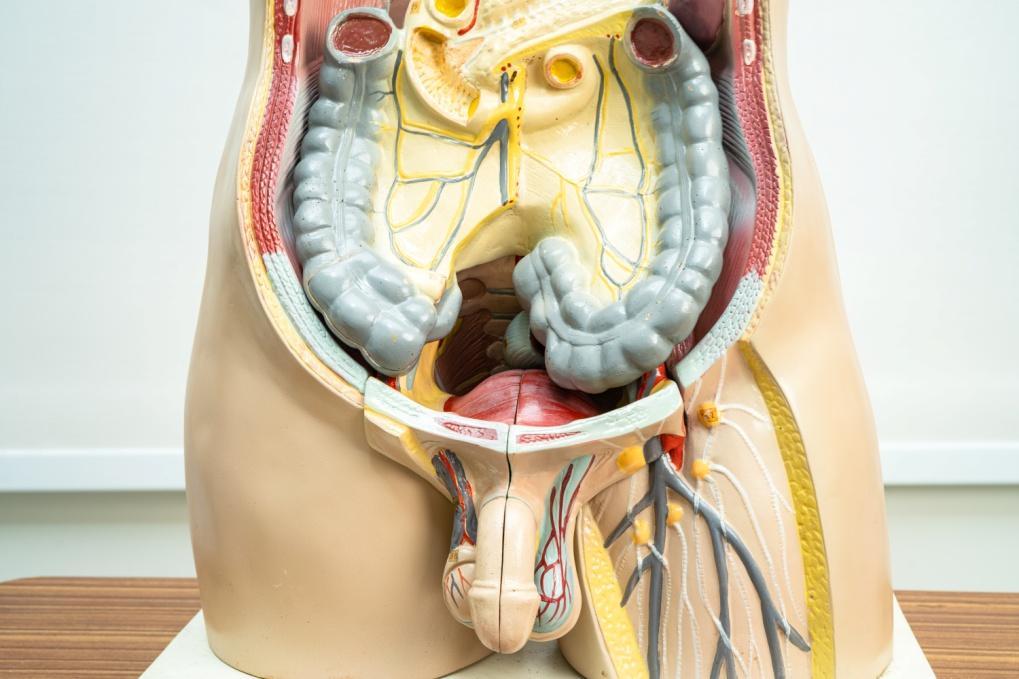
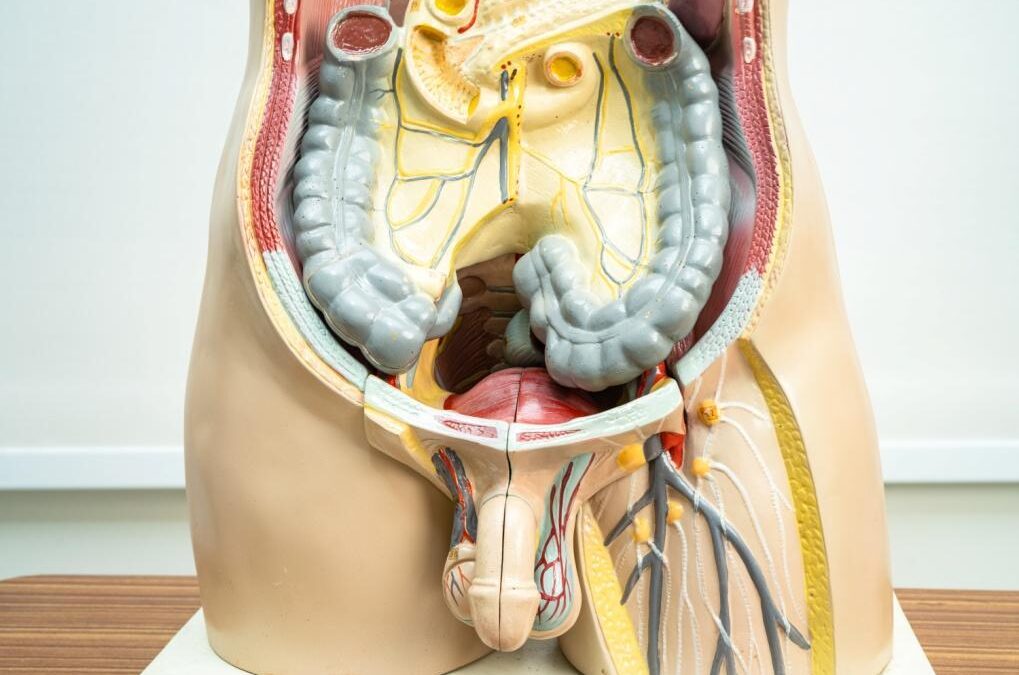
Anatomy of the male pelvis
The pelvic floor is a complex group of muscles, ligaments, and connective tissues that spans the base of the pelvis like a supportive hammock attached from the pubic bone to the tailbone (coccyx) and sitting bones (ischial tuberosities). In men, just as in women, it supports the pelvic organs and coordinates several essential daily functions.
A key role across three essential functions
- Urinary control: works alongside the urethral sphincter to prevent involuntary leakage during coughing, sneezing, laughing, or physical exertion.
- Fecal continence: maintains bowel control and supports proper elimination pathways.
- Sexual function: contributes directly to erectile rigidity and ejaculation. A dysfunction in the pelvic floor can affect one, two, or all three of these areas simultaneously.
Why is male pelvic health so rarely discussed?
Several factors account for this widespread silence:
- Historical Focus on Maternity: Pelvic floor physical therapy initially developed around prenatal and postpartum care, meaning educational resources and marketing have predominantly targeted women.
- Stigma and Taboos: Symptoms involve deeply intimate functions that men rarely feel comfortable discussing – even with their healthcare providers.
- Lack of Referral Awareness: Many primary care physicians receive limited training in male pelvic health and seldom refer male patients to specialized pelvic physical therapists, delaying proper diagnosis and care.
Watch the video below for an expert overview of pelvic floor physical therapy. French audio with English subtitles available
Weakness vs. hypertonicity: two opposite conditions
It is a common misconception that a dysfunctional pelvic floor is always a weak pelvic floor. While muscle weakness (hypotonia) frequently occurs after prostate surgery, many men suffer from the exact opposite issue: pelvic floor hypertonicity (overactive, overly tight muscles that cannot relax).
In hypertonic cases, performing traditional strengthening exercises (like Kegels) can actually worsen pain, urinary urgency, and sexual dysfunction. This makes a comprehensive clinical assessment essential before starting any exercise regimen.
Men of all ages are affected
Pelvic dysfunctions are not restricted to older men undergoing prostate procedures. The condition affects a broad demographic:
- Cyclists and athletes: High-volume cycling, heavy weightlifting, or high-impact training can strain pelvic nerves and tissue.
- Sedentary professionals: Prolonged sitting combined with poor posture compresses the pelvic region.
- Stress and chronic strain: High stress, chronic anxiety, persistent coughing, or chronic constipation frequently manifest as involuntary pelvic floor guarding and tension.
Post-prostatectomy incontinence: what to expect and how physical therapy helps
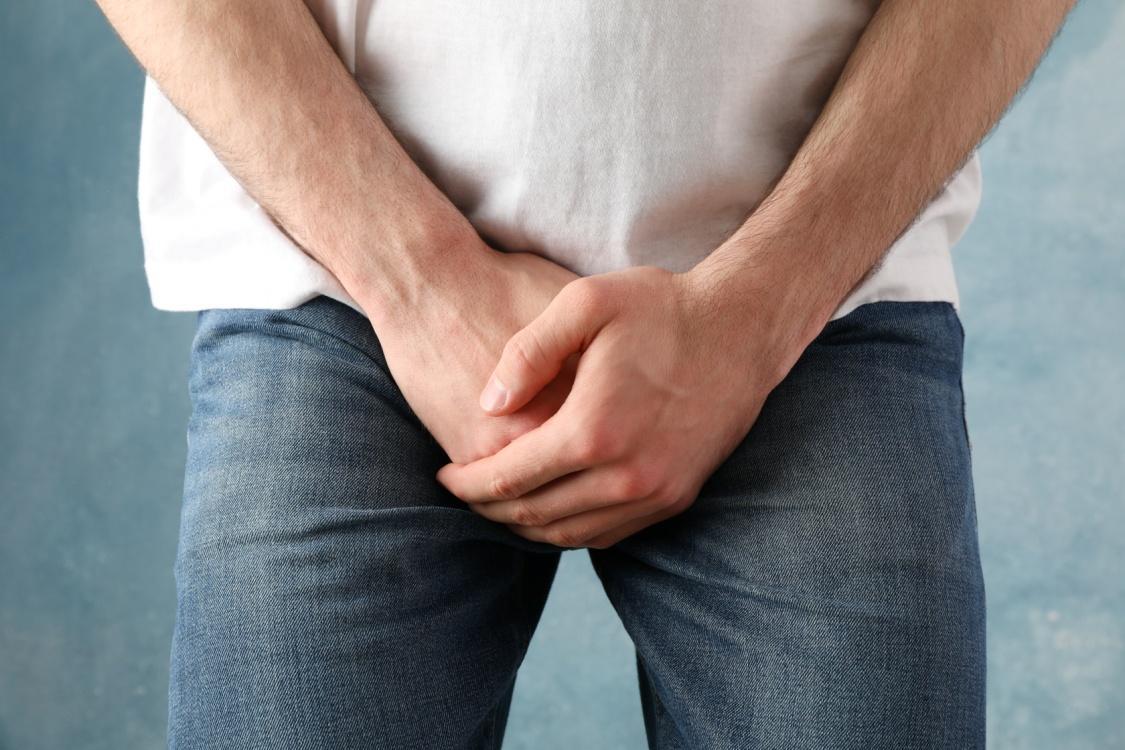
Man experiencing urinary discomfort, illustrating post-prostatectomy recovery challenges.
Post-prostatectomy incontinence is the most common reason men seek pelvic floor physical therapy. Radical prostatectomy – the surgical removal of the prostate – is a primary treatment for prostate cancer. While life-saving, it frequently leads to urinary leakage during the initial weeks and months following surgery.
A common, yet typically temporary issue
The prostate surrounds the urethra directly beneath the bladder. During surgery, the surrounding anatomical structures that support bladder control are altered, requiring the external urethral sphincter to carry a significantly heavier load.
As a result, most men experience stress urinary incontinence immediately after the urinary catheter is removed – leaking during coughing, sneezing, standing up, or lifting heavy objects. For the majority of men, continent control gradually returns over 3 to 12 months post-surgery.
The crucial role of pelvic floor physical therapy
Pelvic floor physical therapy is the first-line conservative treatment for post-prostatectomy urinary incontinence.
Specialized physical therapy helps patients regain bladder control faster by:
- Strengthening the pelvic floor muscles supporting the urethral sphincter.
- Improving muscle coordination during physical exertion and movement.
- Utilizing biofeedback technology: visualizing muscle contractions on a monitor to help men accurately feel, target, and control the correct muscle groups.
Tailoring Kegel exercises for men
Pelvic floor exercises (commonly called Kegels) must be properly adapted to male anatomy. Rather than squeezing the buttocks or holding their breath, men are taught to cue contractions using targeted functional visualizations, such as:
- Drawing the penis inward and gently lifting the scrotum upward.
- Squeezing as if stopping the flow of gas or urine mid-stream.
Many men initially contract the wrong muscles (such as the glutes, inner thighs, or abdominal wall). Professional guidance ensures proper form before integrating these contractions into functional daily movements, such as standing up from a chair or lifting groceries.
Pre-operative physical therapy (“Prehab”)
Learning pelvic floor contractions before surgery offers a distinct recovery advantage. By building motor control and muscle awareness pre-operatively, patients can resume targeted exercises as soon as their surgeon approves – typically immediately following catheter removal. Pre-operative pelvic rehabilitation is increasingly recommended by urological surgical teams.
Setting realistic expectations
Recovery timelines vary based on age, pre-surgery muscle tone, surgical technique, and whether adjuvant radiation therapy was required. While significant improvement occurs within 6 to 12 months, physical therapy helps accelerate this timeline while monitoring for cases that may require additional urological evaluation.
Chronic pelvic pain and muscle tension
Less widely recognized than post-prostatectomy incontinence, chronic pelvic pain syndrome (CPPS) affects a significant number of men. It manifests as persistent pain or discomfort in the perineum, lower abdomen, testicles, penis, or rectal region, and frequently worsens during or following ejaculation.
Not always prostatitis: understanding non-bacterial CPPS
These symptoms are routinely misdiagnosed as acute or chronic prostatitis (prostate inflammation or infection). However, in the vast majority of chronic cases, laboratory testing reveals no active bacterial infection, leaving antibiotic treatments ineffective.
Medical guidelines categorize this condition as Chronic Pelvic Pain Syndrome (CPPS) or Category III Non-Bacterial Prostatitis – a condition where overactive, hypertonic pelvic floor muscles are the primary driver of discomfort.
The mechanism: overactive pelvic floor guarding
When pelvic muscles remain in a constant state of contraction or spasm, they become fatigued and painful – similar to chronic tension in the neck and shoulders.
This hypertonicity develops trigger points that radiate pain to surrounding structures, including the penis, scrotum, groin, and lower back. Key contributing factors include:
- Prolonged sedentary posture: Sitting for extended hours compresses pelvic nerves and vessels.
- Chronic stress and anxiety: Psychosocial stress leads to involuntary pelvic floor “guarding” or clenching.
- Prior physical trauma: Sports injuries, cycling friction, or abdominal surgeries can trigger reflex muscle spasms.
Down-training vs. strengthening: learning to release
When treating chronic pelvic pain, strengthening exercises like Kegels are strictly contraindicated as they increase muscle tension and exacerbate symptoms.
Instead, physical therapy focuses on pelvic floor relaxation (down-training) using:
- Internal and external manual therapy: Releasing myofascial trigger points and soft tissue restrictions in the pelvic girdle.
- Diaphragmatic breathing: Harnessing deep belly breathing to lower the pelvic floor naturally (the pelvic floor drops on inhalation and gently recoils on exhalation).
- Targeted stretching and postural adjustments: Lengthening the hip flexors, adductors, and hamstrings to relieve pelvic compression.
Impact on quality of life and sexual function
Chronic pelvic pain extends far beyond physical discomfort. It frequently interferes with intimate relationships, makes prolonged sitting at work unbearable, disrupts sleep, and contributes to erectile or ejaculatory dysfunction. Releasing muscle hypertonicity often significantly restores sexual comfort and overall quality of life.
Interdisciplinary care: working with urologists
An initial medical assessment by a physician or urologist is mandatory to rule out active bacterial prostatitis, urinary tract infections, prostate cancer, or structural abnormalities. Once clear, pelvic floor physical therapy integrates smoothly into a comprehensive, multidisciplinary treatment plan.
What to expect during your first male pelvic floor physical therapy visit
Seeking care for intimate pelvic health issues can feel intimidating. Knowing what happens during your initial consultation helps demystify the process and eases any anxiety before stepping into the clinic.
The clinical consultation and intake
Your appointment begins with an in-depth conversation in a private treatment room. The pelvic physical therapist will review your medical and surgical history, urinary and bowel habits, pain triggers, sexual function, and personal treatment goals. You are encouraged to share as much or as little as you feel comfortable with, moving entirely at your own pace.
Physical assessment (with informed consent)
The physical examination is tailored specifically to your needs, with every step clearly explained beforehand. Depending on your symptoms, it may include:
- Postural and respiratory evaluation: Assessing core stability, diaphragm movement, and hip flexibility.
- Pelvic muscle assessment: Evaluating muscle strength, tone, endurance, or hypertonicity (trigger points).
- Patient comfort first: Your explicit consent is required at every stage. You retain complete control throughout the visit and can pause, alter, or decline any portion of the physical exam at any time.
A personalized treatment strategy
Based on the clinical findings, your physical therapist will explain their assessment and design a targeted treatment plan tailored to your condition. This may include:
- Targeted exercises: Specific muscle strengthening (for hypotonic cases) or relaxation techniques (down-training for hypertonic cases).
- Manual therapy: Soft tissue mobilization and myofascial trigger point release.
- Behavioral and lifestyle guidance: Advice on fluid intake, bladder retraining, posture adjustments, and ergonomic modifications.
- Home exercise program: Practical exercises and routines to perform between clinic visits.
Interdisciplinary care and physician collaboration
When appropriate, your pelvic physical therapist works closely with your primary care physician, urologist, or surgical team – particularly when coordinating post-operative recovery or chronic pain management.
Our team of registered pelvic floor physical therapists provides compassionate, evidence-based care in a strictly confidential and respectful environment.
Frequently Asked Questions
Is it normal for a man to see a pelvic floor physical therapist?
Yes, absolutely. The male pelvic floor can develop the exact same types of dysfunctions as the female pelvic floor – often following surgery, physical injury, or chronic muscle tension. While the topic is simply less publicized in mainstream media, male pelvic floor conditions are common, highly treatable, and entirely legitimate medical concerns.
How soon after prostate surgery should a man start pelvic physical therapist care?
Ideally, a pre-operative evaluation takes place before surgery to master proper technique in advance.
- Active rehabilitation: Typically begins shortly after surgery once the urinary catheter is removed, following surgeon approval.
- Initial results: Many men notice measurable improvements in urinary control within a few weeks of consistent therapy.
- Overall timeline: Full recovery varies by individual, typically progressing over 3 to 12 months.
Is male pelvic floor physical therapy painful?
No, physical therapy should not be painful. Treatments are always tailored to your personal comfort and tolerance thresholds.
- Gentle techniques: Assessments and treatment protocols aim to relieve muscle tension, not exacerbate it.
- Paced care: Treatment intensity is adjusted based on your real-time feedback and comfort levels.
- Open communication: Clear, ongoing dialogue with your physical therapist ensures you remain in complete control of every session.
Is pelvic floor therapy only for men who have had surgery?
No. Male pelvic floor physical therapy treats many non-surgical conditions as well. Chronic pelvic pain, stress-induced muscle hypertonicity, urinary frequency, bowel issues, or sexual dysfunction are all common reasons for non-surgical men to seek an evaluation.
Do I need a doctor’s referral to see a pelvic physical therapist?
In Canada and most US states, a medical referral is generally not required to access direct physical therapy services, though some private health insurance providers may require one for reimbursement. Regardless, sharing your treatment plan with your primary physician or urologist is always recommended to ensure coordinated care.
Author
-
We are physiotherapists passionate about movement and rehabilitation, with a clear goal: helping people better understand their pain and return to an active, unrestricted life.
Through our practice and content, we share practical, science-based approaches to prevent injuries, relieve pain, and sustainably improve mobility. We believe that well-informed patients make better decisions and achieve better outcomes.

Richard Bouzaglou, B.Sc. PT
Physiotherapist | Co-Founder
An experienced professional, Richard is the co-founder of the AMS Medical and Rehabilitation Center, where he has played a key role since 2008. With a background in sports medicine and physiotherapy, he has developed strong clinical expertise, particularly working with elite athletes.
His practice is based on a comprehensive approach that integrates advanced manual therapy, functional rehabilitation, and personalized care. Committed to continuous education and mentoring students, he is known for his clinical rigor and his ability to build lasting, trust-based relationships with his patients.

Moshe Vazana
Physiotherapist
With over 15 years of experience, Moshe is recognized for his precise, evidence-based approach. A physiotherapy graduate with advanced training in several methodologies, including the McKenzie Method (MDT) and the Mulligan Concept, he specializes in treating musculoskeletal and spinal conditions.
His international background and commitment to excellence enable him to provide care that is tailored, effective, and sustainable. Passionate about knowledge sharing, he is also actively involved in training the next generation of physiotherapy professionals.
Recent Comments