
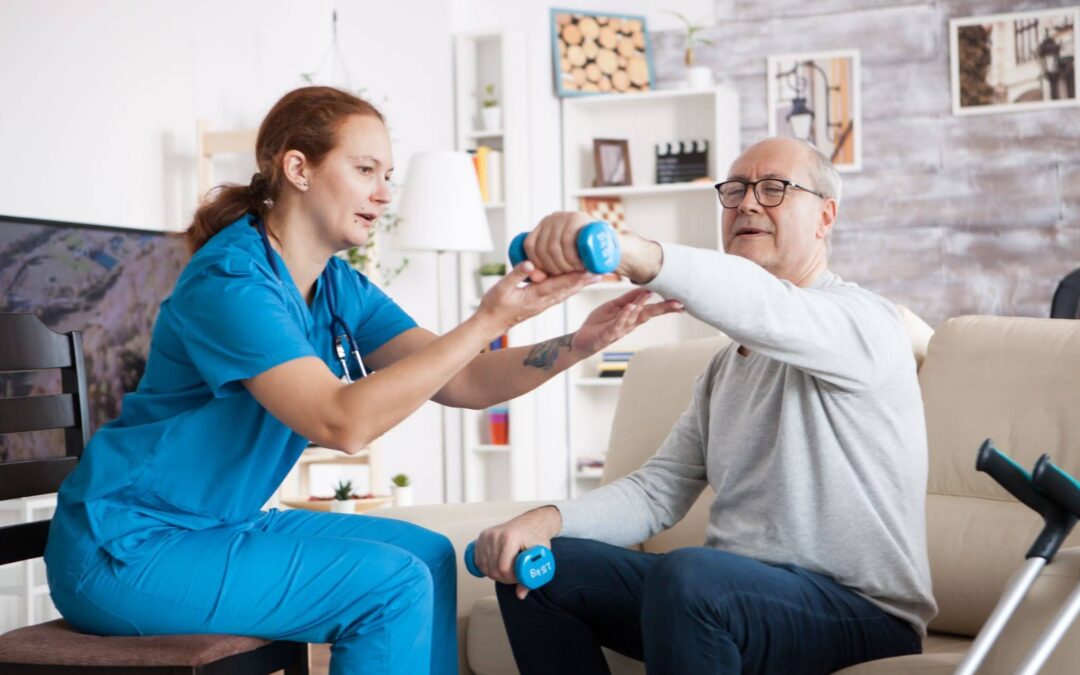
During periods of high temperatures, the body tolerates exertion less well. Fatigue builds up more quickly. Clinic visits can be more demanding and reduce the regularity of care. Home physiotherapy helps maintain treatment continuity in a more comfortable environment, while supporting a care approach adapted to the patient’s abilities.
When heat makes traveling to the clinic more difficult
During hot weather, things that are usually simple, like driving, walking for a few minutes, or waiting for transit, can become much more taxing.
For people in rehabilitation, this reality is significant. Fatigue is often greater during heat waves, especially among:
- older adults,
- people recovering from an injury,
- people who already have a health condition that limits their endurance.
The travel required to attend an appointment can then represent an additional burden.Every action can expend significant energy, even before treatment begins.
This accumulated fatigue can affect recovery between activities. Some people reduce their travel, postpone appointments, or space out their sessions to avoid extra strain.
Access to care then becomes more difficult, and rehabilitation progress may slow down. Heat thus acts as an indirect barrier to treatment continuity.
Home physiotherapy: maintaining continuity of care
Continuity of care depends not only on the treatment plan but also on the patient’s ability to access it regularly.
In hot weather, this access can become less stable due to external factors unrelated to the medical condition.
Travel to a clinic often involves a series of efforts: getting ready, commuting, waiting, and returning. When these steps add to heat-related fatigue, they can reduce the physical and mental energy needed to fully benefit from a session.
Home physiotherapy helps bypass this peripheral energy drain. The patient arrives directly at the treatment setting without needing additional resources before the session.
This has a real impact on the quality of the work done. Exercises can be approached with a more stable energy level, which improves movement precision and the ability to follow instructions.
In some rehabilitation pathways, this stability is a key factor in maintaining consistent progress over several weeks, especially when environmental conditions become challenging.
Home physiotherapy: improving comfort and tolerance to treatment
Comfort is not just about pleasantness. In rehabilitation, it directly affects a person’s ability to actively participate in their treatment.
When someone has to cope with heat, travel, fatigue, and sometimes pain, a large portion of their energy is already used up before the session even begins.
This accumulation can reduce the physical and mental readiness needed to perform exercises or implement the therapist’s recommendations.
At home, the context is different. The patient is in a familiar environment where they have more control over the session’s conditions.
They can stay in an air-conditioned space, avoid prolonged exposure to heat, and reduce travel-related stress.
This energy saving often allows for better tolerance of exertion. The person can focus on the exercises, follow instructions, and actively engage in the treatment.
Comfort also promotes a more positive rehabilitation experience. When logistical constraints decrease, it becomes easier to maintain good adherence to the treatment plan and continue the efforts needed for recovery.
Home physiotherapy: care tailored to the patient’s abilities and daily life
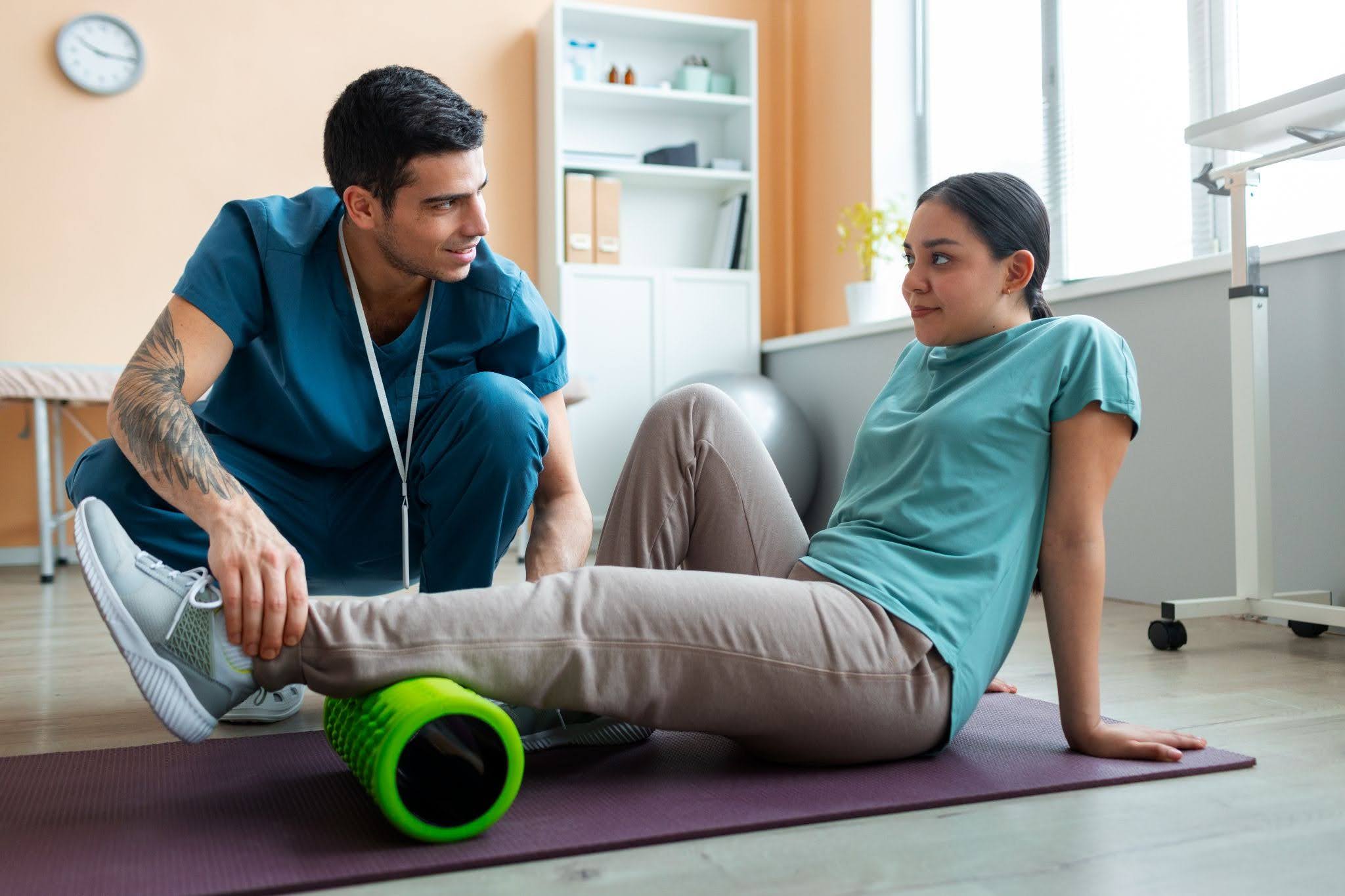
Home physiotherapy offers a unique advantage: it allows intervention directly in the person’s everyday environment.
This approach makes rehabilitation particularly concrete. Rather than working only in a clinical setting, the physiotherapist can observe the patient’s actual movements, habits, and daily challenges.
Exercises can be adapted to the available space, regularly used objects, and situations that truly cause difficulty. Climbing stairs, getting up from a chair, moving through a narrow hallway, or carrying certain items can thus become part of the treatment.
This approach supports better learning transfer. Progress made during the session is more easily applied to daily activities because the exercises are directly linked to the patient’s reality.
Home physiotherapy also allows adjustments based on the day’s fatigue level. This flexibility is especially useful during hot weather, when physical abilities can vary more from day to day.
The therapist can take into account the real constraints of the person’s life to propose a personalized and realistic progression.
In which cases is home physiotherapy particularly indicated?
Home physiotherapy can be beneficial in several clinical situations where travel is challenging or poses a significant burden.
- People with reduced mobility are among the main beneficiaries of this approach. Difficulty walking, climbing stairs, or traveling long distances can complicate access to clinic care.
- People living with significant pain can also benefit from home treatments. Reducing travel can sometimes decrease temporary flare-ups related to transport or extra effort.
- This option is also particularly relevant after surgery or a recent injury. During the early stages of recovery, physical abilities are often limited, and travel can be energy-intensive.
- Older adults and more frail individuals are also patient groups for whom home care is often indicated. Heat waves can further affect their endurance and ability to tolerate exertion.
- People with marked heat intolerance or low tolerance for exertion can benefit from a better-controlled environment to continue their rehabilitation.
When to choose home physiotherapy during hot weather?
Home physiotherapy can be considered at different points in a rehabilitation journey, but certain situations make it a particularly relevant choice when temperatures are high.
This is especially true when travel becomes difficult or requires a disproportionate amount of energy relative to a person’s abilities. If a clinic appointment requires several hours of recovery, it may be useful to consider other options.
Significant fatigue is also a common indicator. If heat worsens exhaustion or reduces the ability to fully participate in sessions, home care often allows better use of available energy.
This solution is also relevant when follow-up needs to be maintained regularly to avoid treatment interruptions. Continuity of care remains an important element in many rehabilitation programs.
During an active recovery phase, where progress depends on consistent, supervised progression, home physiotherapy can offer an interesting balance between accessibility, safety, and therapeutic effectiveness.
FAQ
Is home physiotherapy as effective as clinic care?
Yes, in situations where home care is clinically appropriate. The physiotherapist determines this format after an assessment, based on:
- the patient’s condition
- the level of functional safety
- rehabilitation goals
- the ability to progress in the home environment
When follow-up is indicated, the therapeutic goals remain equivalent to those of clinic-based treatment, with an adaptation of the intervention setting.
Can you progress as quickly at home?
The speed of progress depends on the initial condition, response to treatment, and suitability of the therapeutic setting. Home physiotherapy can support effective progress when:
- exercises are performed correctly and supervised
- adjustments are made based on clinical response
- the patient follows load and progression recommendations
- sessions allow for regular reassessment
Progress is always individualized and continuously adjusted.
What types of exercises can be done at home?
Exercises prescribed at home depend on the initial assessment and treatment goals. They may include, depending on the condition:
- joint mobility
- progressive muscle strengthening
- motor control and stability
- balance and coordination
- functional rehabilitation specific to daily activities
Each program is adapted to the patient’s abilities and evolves based on clinical tolerance.
Do you need special equipment?
No, in most cases, equipment is not essential. When needed, the physiotherapist may recommend or use:
- elastic bands
- simple rehabilitation accessories
- elements of the home environment (chair, wall, stairs)
The choice of equipment depends on therapeutic goals and the stage of rehabilitation.
How does a first session work?
A first home session includes a comprehensive clinical assessment conducted in the patient’s environment. It typically includes:
- history taking and symptom analysis
- functional assessment and movement observation
- physical tests adapted to the condition
- identification of limitations and therapeutic goals
- establishment of an initial treatment plan
The plan is then reassessed and adjusted over subsequent sessions, based on clinical progress and the patient’s tolerance.
Author
-
We are physiotherapists passionate about movement and rehabilitation, with a clear goal: helping people better understand their pain and return to an active, unrestricted life.
Through our practice and content, we share practical, science-based approaches to prevent injuries, relieve pain, and sustainably improve mobility. We believe that well-informed patients make better decisions and achieve better outcomes.

Richard Bouzaglou, B.Sc. PT
Physiotherapist | Co-Founder
An experienced professional, Richard is the co-founder of the AMS Medical and Rehabilitation Center, where he has played a key role since 2008. With a background in sports medicine and physiotherapy, he has developed strong clinical expertise, particularly working with elite athletes.
His practice is based on a comprehensive approach that integrates advanced manual therapy, functional rehabilitation, and personalized care. Committed to continuous education and mentoring students, he is known for his clinical rigor and his ability to build lasting, trust-based relationships with his patients.

Moshe Vazana
Physiotherapist
With over 15 years of experience, Moshe is recognized for his precise, evidence-based approach. A physiotherapy graduate with advanced training in several methodologies, including the McKenzie Method (MDT) and the Mulligan Concept, he specializes in treating musculoskeletal and spinal conditions.
His international background and commitment to excellence enable him to provide care that is tailored, effective, and sustainable. Passionate about knowledge sharing, he is also actively involved in training the next generation of physiotherapy professionals.
Recent Comments